01
Educate
Make epilepsy information easier to understand and easier to remember.
Epilepsy Awareness
Understanding epilepsy starts with knowing that every experience can look different. Learn the facts, recognize safe responses, and see the person beyond the diagnosis.
WHY THIS PLATFORM EXISTS
Nginig brings education and storytelling together to make epilepsy awareness easier to understand. Through accurate information, interactive learning, and human-centered stories, we hope to challenge misconceptions, encourage safe responses, and build greater empathy.
Make epilepsy information easier to understand and easier to remember.
Help visitors recognize safe responses and challenge harmful misconceptions.
Use storytelling to encourage empathy beyond the medical definition.
START YOUR LEARNING JOURNEY
Start with the topic that interests you. This platform turns complex information into simple learning experiences designed to encourage awareness, safety, and empathy.
Start with the basics and understand the condition beyond common assumptions.
Learn why seizures can look different from one person to another.
Know the simple steps that can help keep someone safe during a seizure.
Challenge misinformation and replace fear with understanding.
Look beyond the diagnosis and understand the person behind the condition.
EPILEPSY IN SIMPLE WORDS
Epilepsy is a neurological condition associated with a tendency to have seizures. Because seizures can look different, learning to recognize them can help replace assumptions with understanding.
Remember: a seizure and epilepsy are not always the same thing. A person can experience a seizure without necessarily having epilepsy.
Epilepsy is a neurological condition.
It is a brain disorder associated with a tendency to have seizures.
Not all seizures look the same.
Some people may stare, appear confused, wander, or have unusual movements.
A seizure can affect awareness or movement.
Symptoms depend on the type of seizure and the areas of the brain involved.
Not every seizure involves visible shaking or falling.
Accurate information can help create more supportive conversations.
SEIZURE FIRST AID
A seizure can be frightening to witness, but learning simple first-aid steps can help you respond more calmly and safely.
Remain calm, stay with the person, and note when the seizure begins.
Move harmful or sharp objects away and help prevent injury.
If the person is lying down and not awake or aware, gently turn them onto their side.
Remain with the person until they are awake, alert, and in a safe place.
What you should not do
Do not put anything in their mouth.
Objects can cause injury to the teeth, jaw, or airway.
Do not restrain their movements.
Holding someone down can cause injury and does not stop the seizure.
Do not give food or drinks immediately.
Wait until the person is fully awake and alert before offering anything to swallow.
Get emergency help if…
This section is for educational awareness and general seizure first-aid information. Emergency response may vary depending on the person's medical condition, individual seizure action plan, and local emergency procedures.
INTERACTIVE LEARNING
Tap each case file to separate a common misconception from the truth behind it.
LIVING WITH EPILEPSY
Epilepsy can be part of someone's life without defining who they are. Understanding everyday experiences can help replace assumptions with respect, support, and empathy.
People with epilepsy can study, work, build relationships, enjoy hobbies, and pursue personal goals. Experiences and support needs can differ from one person to another.
Seizure experiences and individual needs can vary. Some people may notice patterns or situations connected to their seizures, making personal awareness and medical guidance important.
Support from family, friends, classmates, coworkers, and communities can help create environments where people with epilepsy feel safer, respected, understood, and included.
Remember the person
Ask what someone needs instead of assuming what epilepsy prevents them from doing. A diagnosis is part of a person's experience, not the whole of their identity.
KNOWLEDGE CHECK
Answer a few questions and see how well you understand the basics of epilepsy and seizure first aid.
Question 1 of 4
True or False: Every seizure involves shaking.
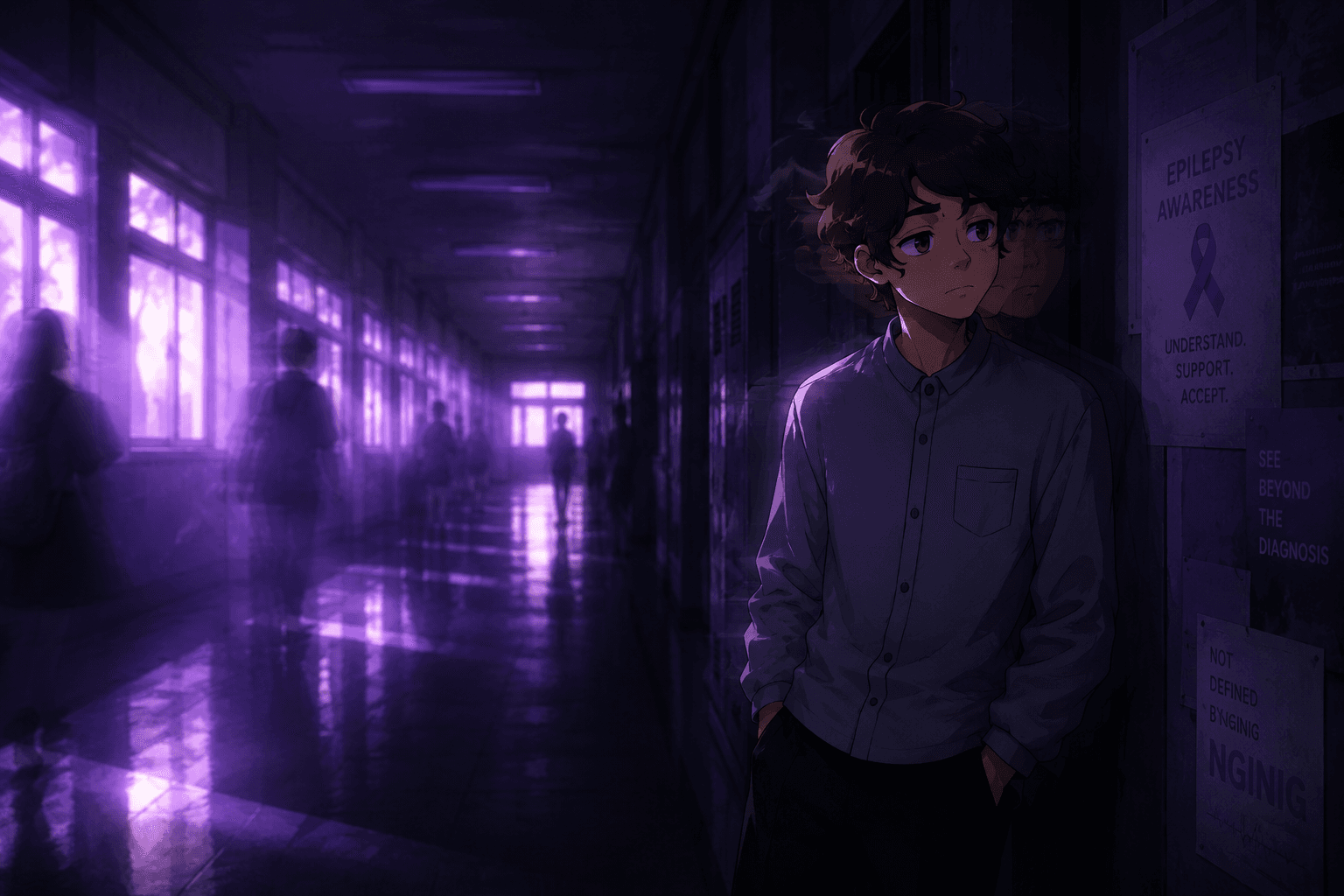
FROM INFORMATION TO EMPATHY
NGINIG uses storytelling to explore the emotions, fears, misunderstandings, and experiences that can exist beyond a diagnosis.
The film is not a replacement for medical information. It is part of the awareness experience—helping facts become conversations and conversations become empathy.
FREEDOM WALL
Some thoughts deserve to be heard. Share a question, a realization, a fear, a story, or simply something you want others to understand. This wall belongs to every voice willing to make the conversation more honest, human, and compassionate.
Loading community voices…
ADD YOUR VOICE
Your message may help someone else understand epilepsy from a more informed and compassionate perspective.
Anonymous • No account required

Behind the frames
Meet the artists, storytellers, and creators bringing Nginig to life. Every frame begins with a team.
Meet TKT StudioKEEP THE CONVERSATION GOING
Awareness does not end with learning the facts. It continues when we challenge misconceptions, respond with care, and help create a more informed and supportive understanding of epilepsy.
Explore the Awareness Guide